
 FR
Understanding Toxic Mold Exposure
By Andrey Golubev, senior inspector and remediation supervisor
Short answer
“Toxic mold” usually means a mold that can produce mycotoxins, such as Stachybotrys, often called black mold. Common symptoms of exposure are coughing, wheezing, a runny nose, itchy eyes, headaches and tiredness, and they often ease when you leave the building. Any mold growing indoors should be dealt with, whatever the type. If symptoms are severe, see a doctor first, then find and fix the moisture. Learn more about black mold health risks.
At Mold Inspection Canada, we tell people to fix mold problems quickly to protect their home or workplace. Ignoring mold can lead to worse health issues, expensive repairs, and lasting damage to buildings. Mold can also affect the air quality, making it harder to stay comfortable indoors.
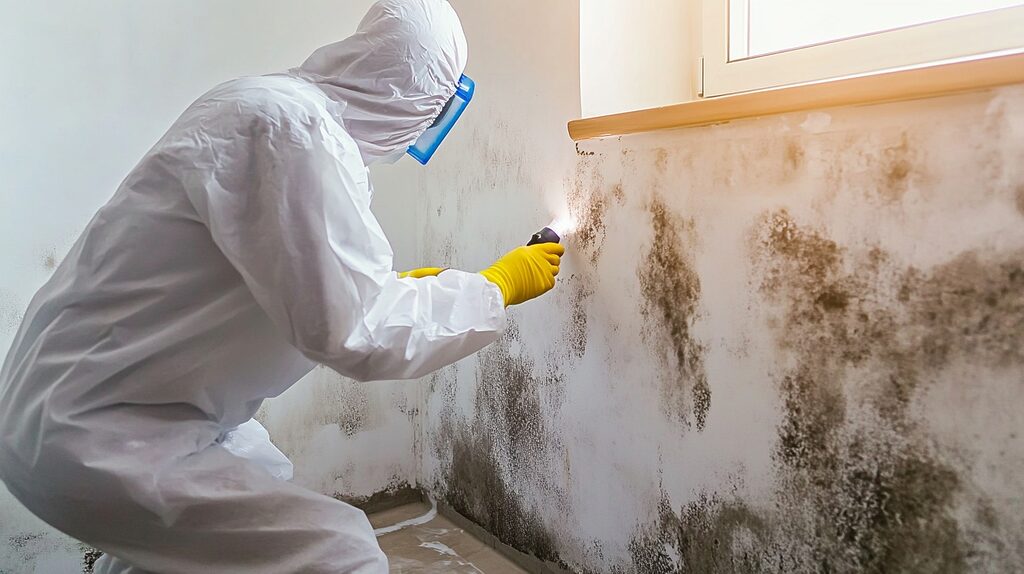
Common Symptoms of Mold Exposure
Different people react to mold in different ways, but common symptoms include:
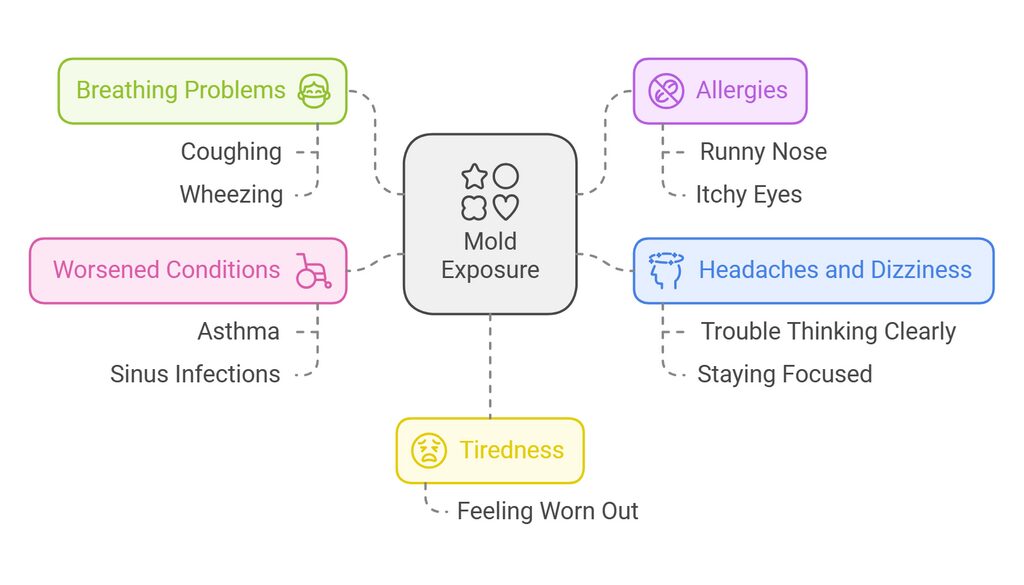
- Breathing Problems: Coughing, wheezing, or trouble catching your breath.
- Allergies: Runny nose, itchy eyes, or skin rashes.
- Tiredness: Feeling worn out even after resting.
- Headaches and Dizziness: Trouble thinking clearly or staying focused.
- Worsened Conditions: Asthma or sinus infections getting worse.
Why Mold Is Dangerous in Homes and Workplaces
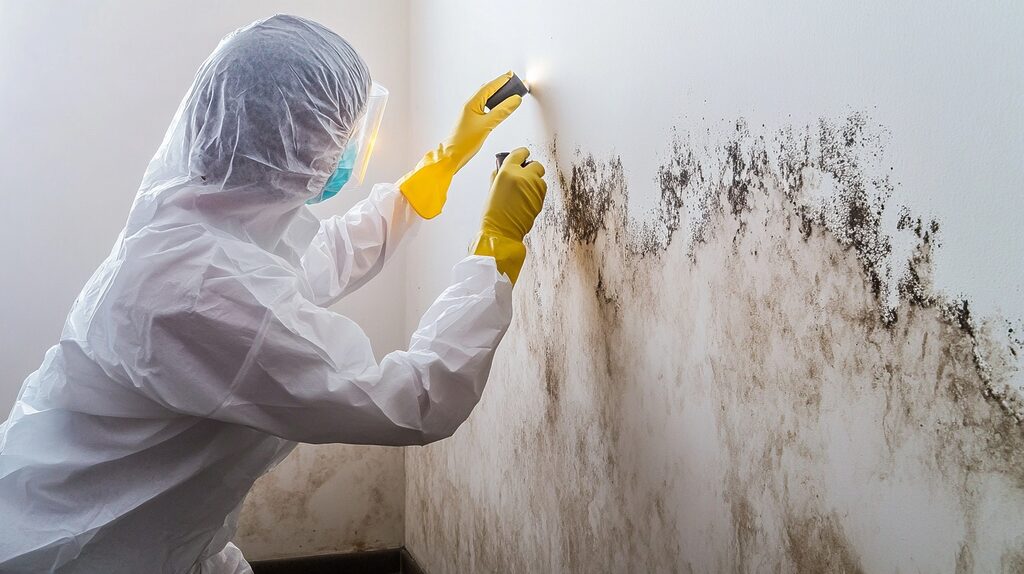
Mold doesn’t just make people sick, it can also weaken the walls, ceilings, and floors of a building. In homes, it often grows in bathrooms, basements, or kitchens. See where mold grows and how to stop it. Over time, mold can cause expensive damage to the structure of a house. It may also spread to furniture, carpets, and personal items, making cleanup even harder. At work, mold can make employees sick, hurt productivity, and even lead to fines if safety rules aren’t followed. Regular checks can help keep homes and workplaces safe and healthy. Schools, offices, and public spaces are also at risk, especially in areas with poor ventilation or past water damage.
What Causes Mold and How to Stop It
Mold grows where there is too much moisture. Common causes are:
- Leaky pipes or roofs
- Poor airflow
- High humidity indoors
- Floods or water spills
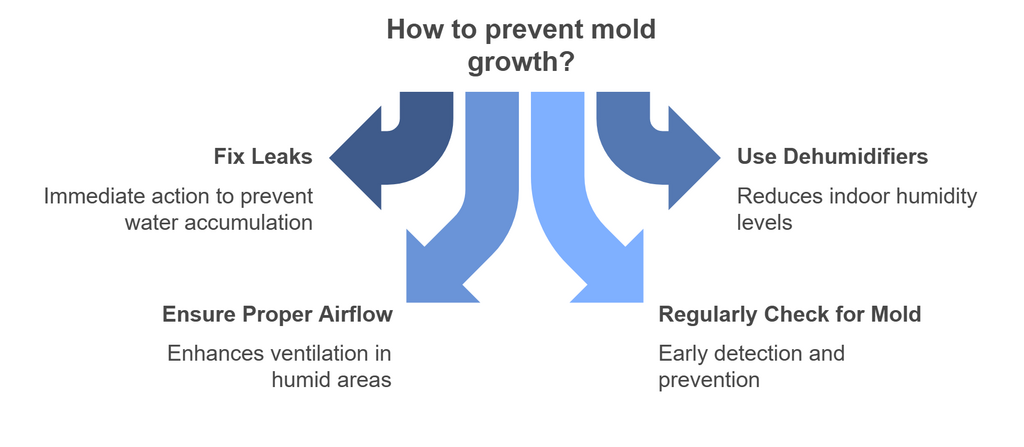
To stop mold from growing, focus on controlling moisture. You can:
- Fix leaks as soon as you spot them
- Use dehumidifiers to lower humidity
- Make sure air flows well in places like bathrooms and kitchens
- Check areas where mold is likely to grow regularly
What to Do If You Find Mold
If you find mold, it’s important to act fast. We provide these services:
- Free Virtual Mold Inspection: Book a free inspection here.
- On-Site Inspections: A closer look at the mold problem.
- Mold Testing: Learn about our testing services.
- Mold Removal: Safe cleanup to get rid of mold for good. See how we remove mold.
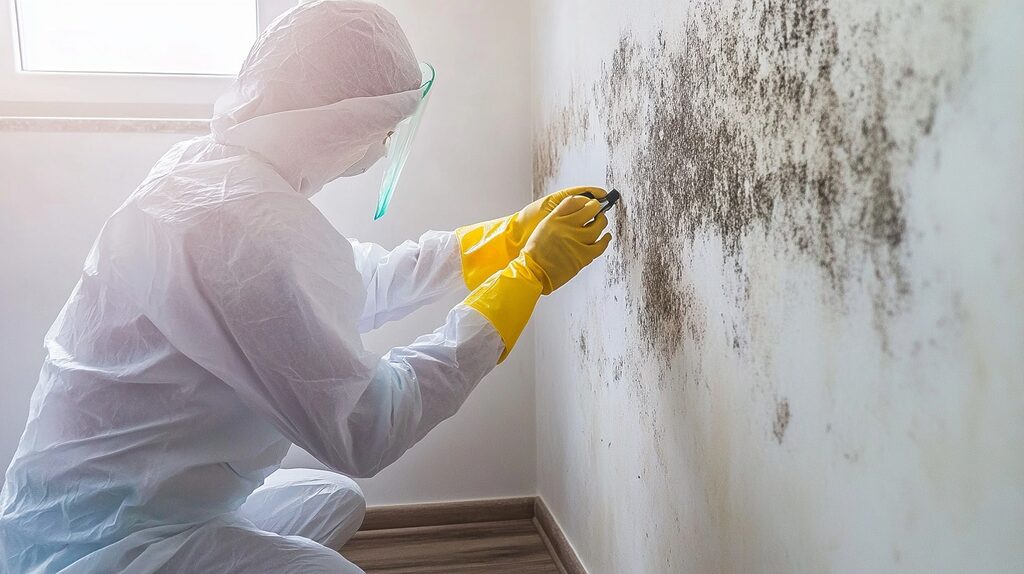
With over 20 years of experience, we know how to handle tough mold problems. Our detailed reports also help you understand why the mold is there and how to stop it from coming back. We’ll explain every step of the process so you’ll feel confident your space is safe again. If the mold problem is severe, our team can recommend further steps to protect your home or workplace.
Why Use Professionals for Mold Cleanup?
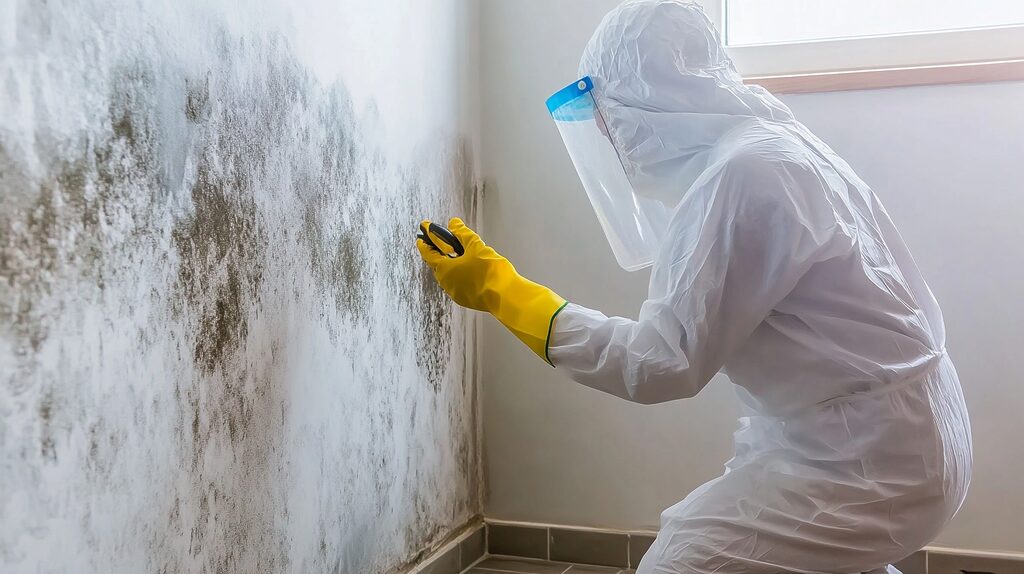
Trying to clean up mold on your own can sometimes make things worse. If you don’t handle it correctly, mold spores can spread to other areas. Our crews use special tools and methods to clean up mold completely. Find out why professional help is best. We use equipment like HEPA vacuums and air filters to capture airborne spores. We also know how to safely handle hidden mold that you might not even notice.
Keep Your Home and Workplace Safe
Mold exposure can be harmful, but you can deal with it by acting quickly and getting expert help. We help people solve mold problems and prevent new ones, and we show clients how to keep their homes and workplaces mold-free. Whether it’s a free virtual inspection or an on-site visit, our team is ready to help. We can also advise you on how to improve airflow and reduce moisture, making it harder for mold to grow in the future.
Contact Mold Inspection Canada Today
If you’re in Ontario or Quebec, we’re here to help with your mold problems. Don’t wait until minor issues turn into serious health risks. Contact Mold Inspection Canada today to book a free virtual inspection or schedule an on-site visit. Taking action now can protect your health, home, and peace of mind. Our team is ready to help you get back to living and working in a safe, healthy environment. Act today and enjoy the peace of mind that comes with knowing your space is mold-free.
Frequently Asked Questions About Toxic Mold Exposure
What should I do if I suspect mold is causing health problems in my family?
The first step is to leave the area and seek medical advice if symptoms are severe. Then, schedule a professional mold inspection to determine the presence and extent of mold in your home or workplace. Mold Inspection Canada offers free virtual assessments to help identify potential issues.
Can toxic mold grow in hidden places that I can’t see?
Yes, toxic mold often grows in hidden spots such as inside walls, under carpets, or in attic spaces. These areas are damp and poorly ventilated, making them ideal for mold growth. Professional inspections using tools like infrared technology can locate hidden mold effectively.
How long does it take for mold to grow and spread after water damage?
Mold can begin growing within 24 to 48 hours of water damage. To prevent mold growth, it’s important to address leaks or spills as quickly as possible and ensure the area is completely dry. Using dehumidifiers and fans can help speed up this process.
Is mold more dangerous for children and elderly people?
Yes, children, elderly individuals, and those with weakened immune systems are more vulnerable to health issues caused by mold. Mold exposure can lead to severe respiratory problems, allergies, and infections in these groups. Early detection and removal are critical for their safety.
Are there natural ways to prevent mold in the home?
Yes, simple practices like keeping humidity levels low, ensuring good ventilation, and promptly fixing leaks can prevent mold naturally. Using mold-resistant products such as paints or drywall during renovations can also reduce the likelihood of mold growth.